Sunday, February 26, 2017

The future's so bright, I gotta wear shades

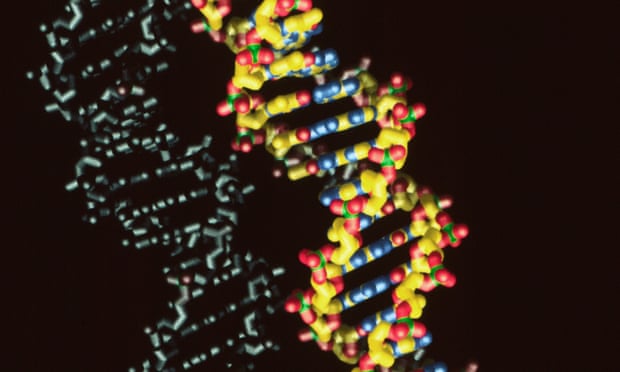
Last unit, I decided to skip the section on DNA technology, but this weekend I was reading an article and I wished that we had at least talked about CRISPR.  DNA technology has made tremendous strides in the past few decades and is continuing to rush into the future.  In my lifetime alone, cell phones have gone from non-existent to a "necessity" that you can keep in your pocket.

This week instead of having you read an article, I am going to have you watch the following video.


Is genetic engineering science fiction or the new reality?  How will DNA technology change what we perceive as "normal?"  Is genetic modification going to be the new normal?  Do you agree with scientists will usng CRISPR to eliminate genetic diseases and cancer?  Will this lead to using genetics to create a more perfect race (Eugenics) or to create a clone army (Star Wars or  North Korea using genetics)?  If genetic modification becomes a reality what will happen to children that are not genetically modified?  What do you think will happen to hiring practices?  Will this lead to a new type of discrimination?  

In your response, you do not have to answer all of these questions, but I would like for you to address some of them.  First watch the video.  Then, write a scholarly response about designer babies and genetic engineering. Please make sure that your paragraph has at least five sentences.  Use proper capitalization and punctuation.  In English, many of you are reading Frankenstein.  Can you see parallels between the book and true science?  Perhaps I will share your responses with your English teachers.  Also you need to respond to at least one of your peers.

Sunday, February 12, 2017

Science Fiction or Science Future?


Last week we started our unit on DNA...one of my favorites.  Starting the unit with a look at the structure of DNA and DNA replication, I thought it only right to start this week with a blog post about breakthroughs in DNA research.

1.  First, a Human-Pig Hybrid with pig lungs that filter human blood...


What could this mean for the millions of people that are waiting for organ transplants?

http://news.nationalgeographic.com/2017/01/human-pig-hybrid-embryo-chimera-organs-health-science/


2.  New life forms made with synthetic DNA?


Scientists have modified the E. Coli bacteria to "create organisms with wholly unnatural attributes and traits not found elsewhere in nature."  Will this lead to new life forms?  

https://www.theguardian.com/science/2017/jan/23/organisms-created-with-synthetic-dna-pave-way-for-new-entirely-new-life-forms

3.  A look into the human genome by looking at a shared defect.


Scientists think that the human genome is divided up into TADS--like mini neighborhoods of DNA with their own rules and regulations.

https://www.nytimes.com/2017/01/09/science/dna-tads.html?rref=collection%2Ftimestopic%2FDNA%20(Deoxyribonucleic%20Acid)&action=click&contentCollection=science&region=stream&module=stream_unit&version=latest&contentPlacement=1&pgtype=collection

4.  Finally, in honor of Valentiens day, saliva...its not just for kissing anymore.
If you are interested in DNA testing, you can do research into to either mail DNA testing kits or going to a laboratory for DNA testing.  Should you choose this option, I would like you to copy and past the address of the site that you used to do your research at the end of your blog post.  What did you learn?  Why would someone want to do DNA testing?  Is it expensive?

So for this week you have four options to choose from.  In your scholarly paragraph, please state which option you picked.  Then summarize the article.  What did you learn?  What is your opinion?  How could this be a positive advancement for science?  What could be the drawbacks?  Since you are studying Frankenstein right now, can you make any connections to the book?  Be sure to write this paragraph with proper techniques I might share them with your English teachers.